
This guide will walk you through the entire search process, from comparing dorms and shared flats to understanding your rental contract.
After choosing your school, finding the right place to live is your next big challenge. The search for student accommodation in Spain can feel daunting, especially if you’re doing it from another country. But don’t worry. With a clear strategy and the right information, the process is entirely manageable.
This guide provides expert advice and important warnings, walking you through every step, from exploring your options to signing your contract.
For a complete overview of all logistical steps, see our practical guide to studying in Spain.
(Last Updated: February 2026)

Key Takeaways
- The most common choices for students are dormitories, shared flats (pisos), and homestays. Each has its own pros and cons regarding cost, independence, and immersion.
- Competition for student housing is high, especially in major cities. Begin your search several months before you plan to arrive to have the best options.
- The easiest and most secure option, especially for your first time in Spain, is to arrange your accommodation directly through your accredited school or university. Another stress-free choice is to search and book housing through Go! Go! España’s trusted accommodation platform.
- The most important rule is to never send a deposit or sign a contract for a private rental without having a live video tour and verifying the landlord’s identity.
This rule does not apply when you book your accommodation through trusted platforms, such as Go! Go! España’s accommodation platform or directly with your school. - If your stay exceeds 180 days, you’ll need to apply for a residency card, known as the TIE (Tarjeta de Identidad de Extranjero). To apply for your TIE, you must first register your address (empadronamiento) using an official rental contract (contrato de alquiler).
What are Your Housing Options as a Language Student in Spain?
The three main types of student housing in Spain are dormitories, shared flats, and homestays. The best choice for you depends on your budget, your desire for independence, and your language immersion goals.
International Student Housing Options in Spain
| Housing Type | Pros | Cons | Best For… |
| Dormitories / Student Residences (Residencias) | Easy to book, great for socializing, often includes meals/cleaning. | Less privacy, can be more expensive, may have stricter rules. | Students who want a built-in community and a simple, all-inclusive option. |
| Shared Houses (Pisos Compartidos) | Most common and affordable option, high independence, choice of roommates. | Can be competitive to find, you manage your own bills and cleaning. | Independent students who want flexibility and to live with other young people. |
| Homestays (Convivir con una Familia) | Full language and cultural immersion, meals are often included, and a supportive family environment. | With less freedom and independence, you must adapt to the family’s rules. | Students who want to learn Spanish as quickly as possible and experience authentic daily life. |
A side-by-side comparison of the three main student housing options in Spain (Residences, Shared Flats, Homestays) based on independence, social life, and cost.
For a deeper dive into specific housing types, you can also read our separate guides on how to find a homestay in Spain and how to find a share a house in Spain.
When Should You Start Your Search for Student Accommodation in Spain?
Start your housing search the moment your place at a school is confirmed. We recommend beginning at least 2 to 3 months before you arrive.
Competition for good, affordable student accommodation in Spain is very high, especially for the fall semester (September/October). Both Spanish and international students are all looking for places at the same time. Starting early gives you the best selection and reduces a lot of stress.
If you’re unable to secure housing before moving, it’s very common to book temporary accommodation through Airbnb or your school, for around a month. This allows you time to settle in and search for long-term housing without feeling rushed.
What is the Best Way to Search For Student Housing in Spain?
A successful housing search is a step-by-step process that involves setting a budget, choosing your neighborhoods, and using the right online tools.
Follow this simple strategy to keep your search organized and effective.
- Set Your Budget: Before you start looking, determine what you can afford. Rent is often the largest part of a student’s monthly expenses, and prices can vary greatly depending on the city. For example, Madrid and Barcelona will be more expensive than Granada.
Before you start looking, determine what you can afford; you can find a complete breakdown of living expenses in our budgeting guide for the real cost of studying in Spain. - Choose Your Neighborhoods: Research the city where you’ll be studying. Look for neighborhoods that are popular with students, safe, and have good public transport links to your school. To help you decide which neighborhood fits your lifestyle and budget, explore the detailed area breakdowns in our Student Destination Guides to Spain’s Top Cities.
- Use the Right Online Tools: The vast majority of the housing search now happens online. Using a mix of large property portals and student-focused platforms will give you the best results.
We have compiled the most reputable websites to search for housing in Spain here. You can find more information on the best online tools in the section below. - Prepare Your Documents: Landlords may ask for a copy of your passport, your school acceptance letter, and proof that you can pay the rent.
For a general overview, see our guide to the best websites to find housing in Spain.
If you are looking for a room in a shared house, you will find specific platforms in our guide to the best websites for finding a shared house in Spain.
For a broad list of options, check out our guide on the best websites to find accommodation in Spain.
Top Resources and Booking Options for Student Accommodation in Spain
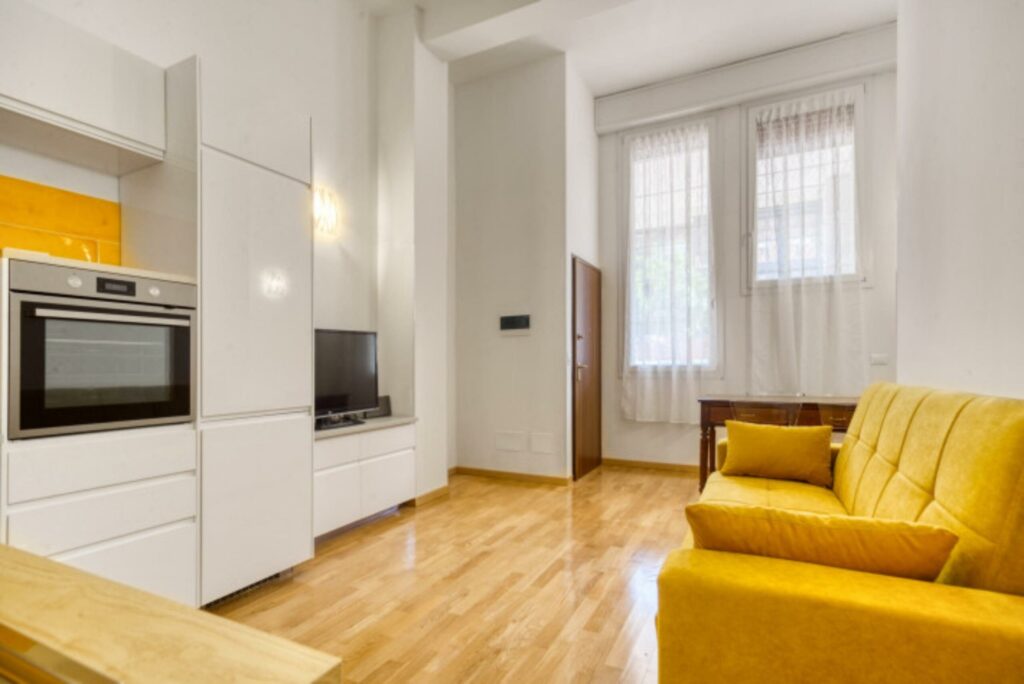
Using a mix of large Spanish property portals and specialized student housing websites will give you the widest range of options.
At Go! Go! España, students can also book accommodation directly through their school, usually in shared apartments or homestays.
If you choose this option, housing details are typically provided about a week before classes begin. If you prefer to have this information earlier, we recommend booking independently through our accommodation platform.
For those seeking housing independently, we’ve compiled lists of the most reputable websites to help you find your ideal home in Spain.
- For a general overview, see our guide to the best websites to find housing in Spain.
- If you are looking for a room in a shared house (piso compartido), you will find specific platforms in our guide to the best websites for finding a shared house in Spain.
- For finding a homestay, check out our guide on How to Find a Homestay in Spain.
How to Avoid Common Rental Scams
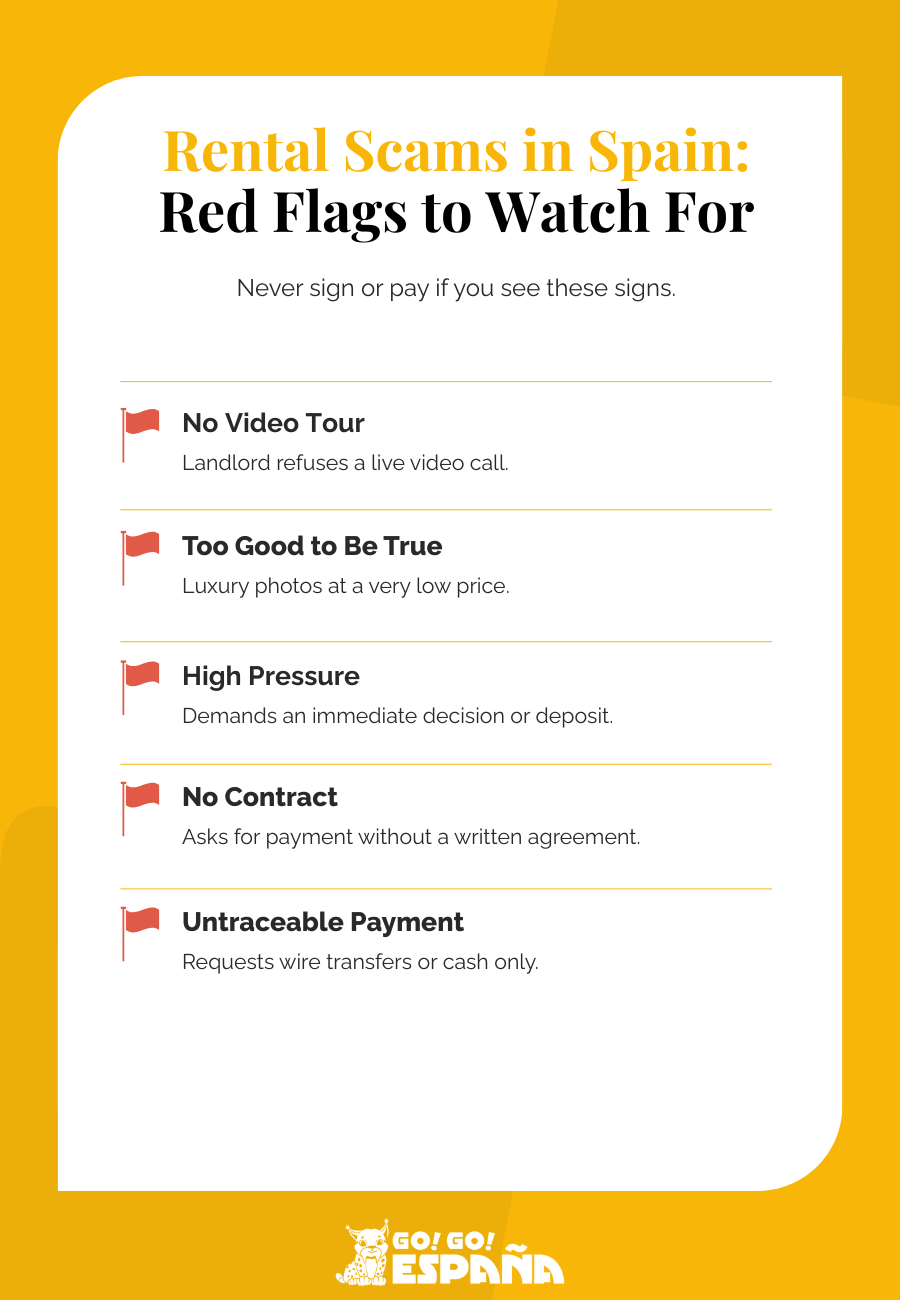
The safest way to avoid scams when searching for student accommodation in Spain is to book through a trusted source, such as your school or one of the vetted platforms we recommend.
For students looking to arrange a homestay independently, the Go! Go! España team can connect you with a trusted agent to guide you through the process. Find more information on finding a homestay in Spain here.
If you decide to search on your own, there are some precautions to keep in mind. While most landlords and listings are legitimate, scams do exist. Watch out for these red flags:
- The landlord refuses to provide a virtual tour via video call
- The photos look like they’re from a luxury property, but the price is unusually low.
- You’re pressured to make a decision or send a deposit immediately.
- You’re asked to pay through untraceable methods, like a wire transfer, without a formal contract.
How Do You Understand a Spanish Rental Contract?
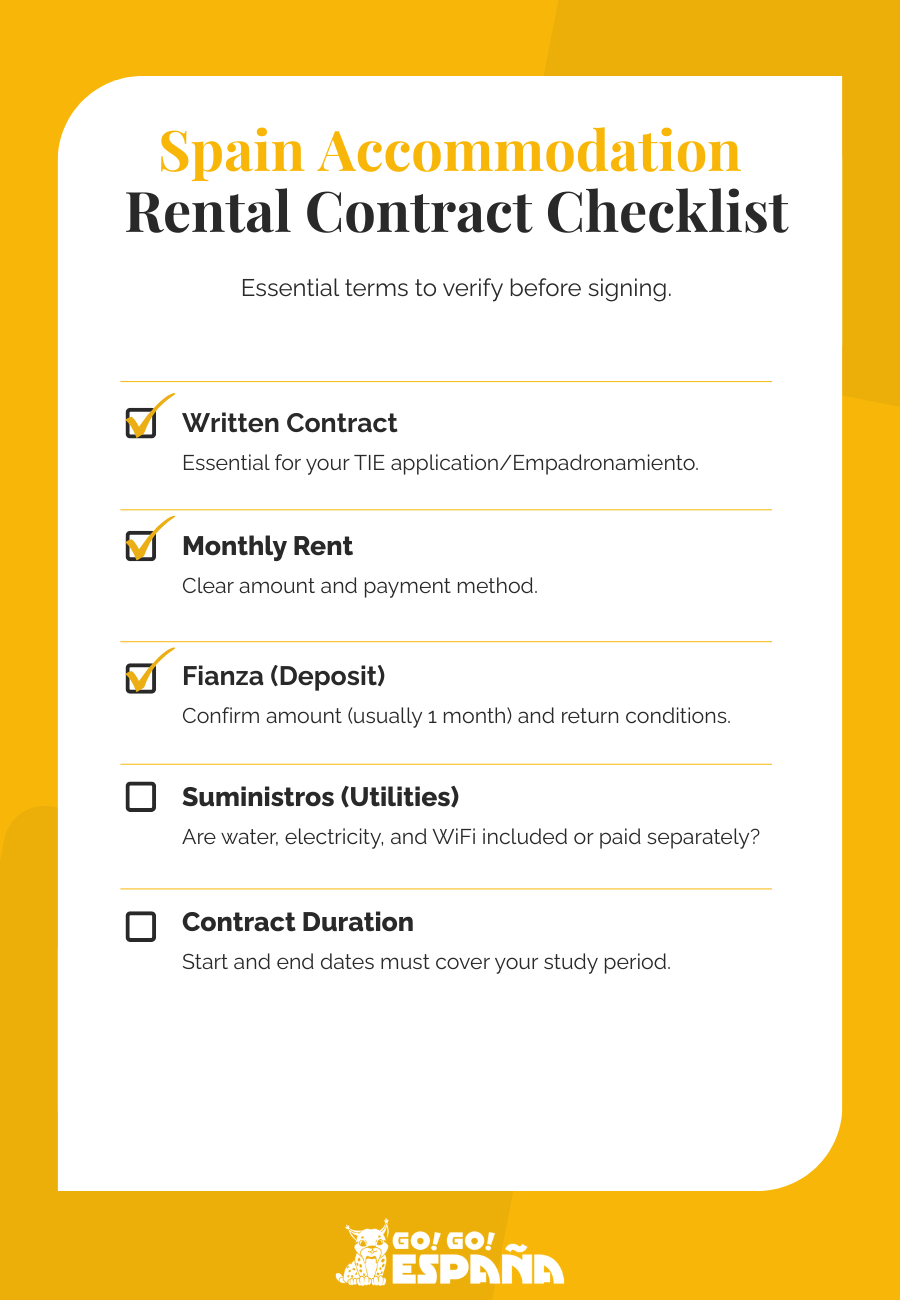
The rental contract (contrato de alquiler) is a legally binding document. The most important terms to understand are the length of the contract, the monthly rent, and the security deposit (fianza).
For any long-term rental, a written contract is non-negotiable. It protects your rights as a tenant and is a required document for official processes like registering your address (empadronamiento) and getting your TIE card. Key terms to look for include:
- Fianza (Security Deposit): This is typically equivalent to one month’s rent for long-term contracts.
- Suministros or Gastos (Utilities): Check if utilities like electricity, water, and internet are included in the rent or if you have to pay them separately.
The Spanish Ministry of Housing and Urban Agenda provides detailed and trustworthy information on what to expect in your rental contract. Review their website to ensure you fully understand your contract before signing.
FAQ About Finding Student Accommodation in Spain
1. Can I find accommodation after I arrive in Spain?
Yes, many students choose to do this. Our team at Go! Go! España recommends booking at least one month of accommodation directly through your school. This lets you see if you’re happy with the housing they provide and gives you enough time to arrange another option if needed.
You could also stay in a hostel or Airbnb for a short period, but the most important thing is to have at least a few weeks of accommodation secured before arriving in Spain.
2. What is a piso compartido?
This is the Spanish term for a shared flat or apartment (piso), meaning you will be living with other people. It’s the most common type of housing for students in Spain.
3. Do I need a Spanish bank account to rent an apartment?
For a long-term rental, yes. Most landlords will require you to pay your monthly rent via a transfer from a Spanish bank account
4. Is it better to live with other international students or with Spaniards?
There are pros and cons to both! Living with other international students can be fun and create an instant social circle. Living with Spanish speakers is the best option for practicing your language skills and having a more immersive cultural experience.
5. What is an empadronamiento?
This is the process of officially registering your address with the local city hall. You will need your rental contract to do this, and your padrón certificate is then required for other official processes like getting your TIE card.
Read our guides for more details on the TIE process and how to secure your empadronamiento.
Ready to Find Your New Home In Spain?

Finding your student accommodation in Spain is a big step, and it’s the moment your adventure starts to feel real. By following this guide and using trusted resources, you can confidently find a safe and comfortable place to call home.
The search can be overwhelming. For personalized guidance and access to trusted, vetted options, explore Go! Go! España’s Accommodation Service.